Home/Window tint
Keep the heat out without going dark.
LLumar IRX and AIR 80 nano-ceramic tint. Up to 88 percent of infrared heat rejected and more than 99 percent of UV blocked. Edges shaved to the glass, installed in Vista.
Edges wrapped, badges removed5.0 stars on Google, 90 reviewsExact price before any work


What ceramic window tint does
Window tint is a thin film applied to the inside of your glass. The LLumar films we install use nano-ceramic technology to reject heat without having to be dark, so even a nearly clear film keeps the cabin noticeably cooler.
Every LLumar film we install blocks more than 99 percent of UV. That protects your skin on long drives and keeps the dash, seats and trim from fading and cracking.
Why people tint
The benefits go well past looks.
A cooler cabin
IRX rejects up to 88 percent of infrared heat, so the AC works less and the seats are not scorching.
UV protection
More than 99 percent of UV blocked, for your skin and your interior.
Less glare
Easier on your eyes driving into the sun on the 78 or the 5.
Privacy
Darker rear glass keeps what is in the back seat out of sight.
Safer glass
If a window breaks, the film helps hold the pieces together.
Lifetime warranty
LLumar film carries a manufacturer's limited lifetime warranty.
Tint options
Every LLumar shade is available on every option.
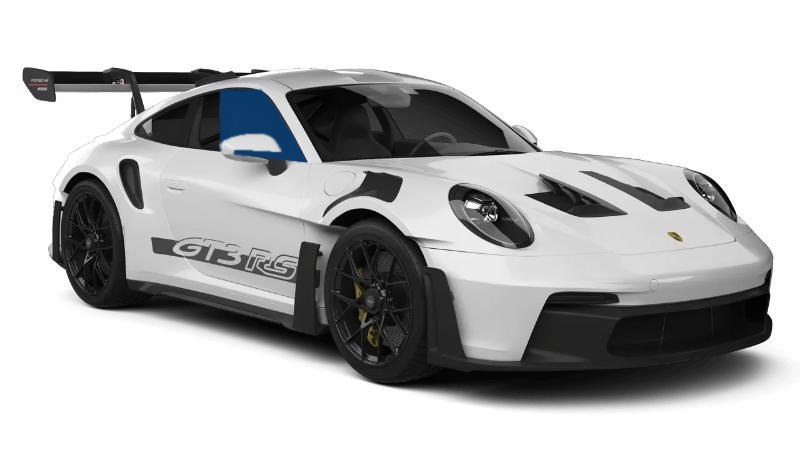
Front two windows
Match the front doors to the factory rear glass.
Price this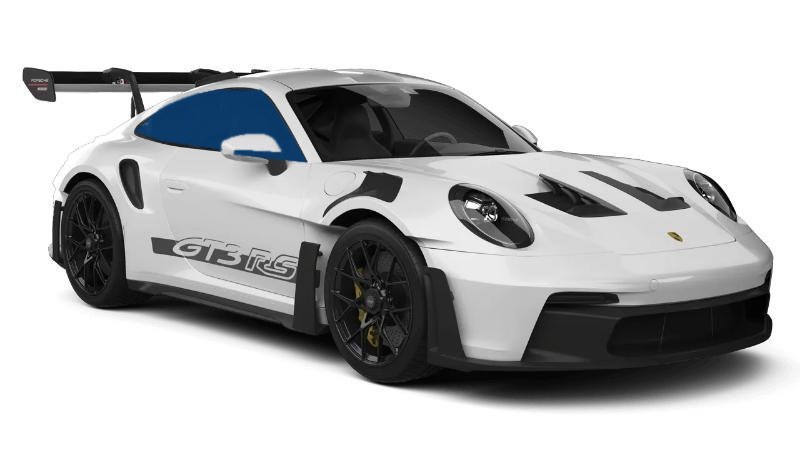
Sides and rear
Most chosen.Every side window plus the back glass.
Price this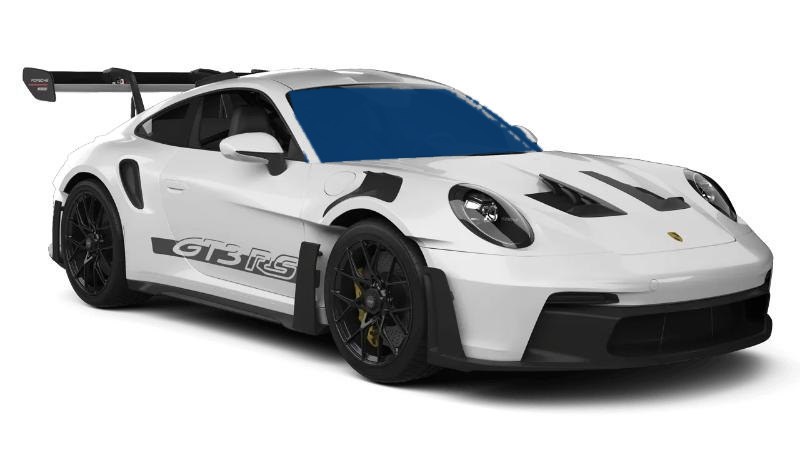
Windshield
Heat-rejecting film across the whole windshield.
Price this
Build your quote
Choose film, coating and tint. The car and the price change as you go.
5.0
★★★★★
90 reviews on Google
Read every reviewI got ceramic tint by Tim and it was amazing work, done super fast, and very professional. He showed me different tint options and I absolutely love how it turned out.Elaine Damiani · Ceramic tint · Google review★★★★★
Exceptional work and craftsmanship! By far the most knowledgeable and trustworthy team for installing Paint Protection Film (PPF) and window tint.Clay Glasheen · Tesla, PPF reinstall and tint · Google review★★★★★
This is actually the fourth car I’ve entrusted to Tim. From the PPF installation and ceramic tint to the ceramic coating, every aspect of the work was executed with precision and care.Antonio Renolayan · Porsche Macan, PPF, tint and coating · Google review★★★★★
This is our 3rd Tesla wrapped by Tim at Adonis. Tim’s attention to detail and workmanship stands out. Don’t mind the 90 mile drive.p chen · Third Tesla with PPF, tint and coating · Google review
How to read tint numbers
Darker does not always mean cooler. These are the numbers that matter, straight from the LLumar spec sheet.
- VLTVisible light transmitted
- How much light comes through the glass. Lower is darker. IRX 15 lets 20 percent through, AIR 80 lets 77 percent through.
- TSERTotal solar energy rejected
- How much of the sun's total heat the film keeps out. Higher means a cooler cabin. IRX ranges from 50 to 59 percent.
- IRInfrared rejected
- The part of the heat you feel on your skin through the glass. IRX and AIR 80 both reject 86 to 88 percent of solar infrared.
- UVUltraviolet blocked
- The rays that fade dashboards and seats and damage skin. Every LLumar film we install blocks more than 99 percent.
IRX or AIR 80?
IRX comes in shades from very dark to light, for the rear windows and for drivers who want privacy. AIR 80 is nearly clear. It goes on windshields and front side windows, where California requires clear film, and still keeps heat out.
LLumar numbers, from the spec sheet
| Film | Visible light let through | Total solar energy rejected | Infrared rejection | UV blocked |
|---|---|---|---|---|
| LLumar IRX 15 | 20% | 59% | 88% | More than 99% |
| LLumar IRX 30 | 33% | 56% | 87% | More than 99% |
| LLumar IRX 50 | 54% | 50% | 87% | More than 99% |
| LLumar AIR 80 | 77% | 43% | 86% | More than 99% |
Figures are from LLumar's automotive film specifications, measured on clear glass. Infrared rejection is solar infrared rejection (SIRR). LLumar window tint carries a manufacturer's limited lifetime warranty.
What California allows
- 1
Front side windows
Clear film only: at least 88 percent of light through the film, 70 percent through glass and film together. AIR 80 is the film for these.
- 2
Rear side windows
Any shade of IRX.
- 3
Back glass
Any shade, when the car has mirrors on both sides.
- 4
Windshield
A strip across the top. Medical exemptions apply with a signed letter.

Installs that hold up to a close look
Most film and tint look fine from ten feet. The difference is in the edges, and that is where we spend the time.
Tint shaved to the edge
Every tint edge is shaved to follow the glass, so there is no gap or light line around the window.
Fit to your car by hand
Patterns are adjusted for your exact car and finished by hand in our indoor bay in Vista. Owner-run since 2011.
Edges wrapped, not cut short
Where the panel allows it, film is wrapped around the edge and tucked behind it. No visible line, and no exposed edge to lift or collect dirt.
Badges and trim come off
Emblems, badges and trim pieces are removed when the install calls for it, so the film runs underneath them instead of being cut around them.
How tint is installed
- 1
Clean the glass
Every window is cleaned inside and out so nothing is trapped under the film.
- 2
Cut and shave
Film is cut to each window and the edges are shaved to follow the glass, with no light gap.
- 3
Shape and lay
Curved glass like the back window is heat-shaped so the film lies flat, then squeegeed into place.
- 4
Cure
The film finishes bonding over three to five days.
After your tint
Keep the windows up
Leave them up for three to five days while the film cures.
Haze is normal
A slight haze or small water pockets in the first days clear on their own.
Clean it gently
Use a soft microfiber towel and a glass cleaner made for tinted windows.
Skip anything abrasive
No scrapers, razor blades or scrub pads on the film.

Which tint film do you use?
LLumar IRX and LLumar AIR 80. IRX is a nano-ceramic film that comes in shades from very dark to light. AIR 80 is a nearly clear nano-ceramic film for glass where you want the heat rejection without a darker look.
How dark can my front windows be in California?
California Vehicle Code 26708 allows only clear, colorless film on the front side windows. The film itself has to let at least 88 percent of light through, and the glass and film together at least 70 percent. A strip across the top of the windshield is allowed. We will show you the options that stay within that.
What about the rear windows?
The windows behind the driver can be any darkness. The rear window can be tinted as long as the vehicle has mirrors on both sides.
When can I roll my windows down?
Wait three to five days so the adhesive can cure. Rolling down early can cause peeling or bubbling.
Does tint help with heat?
Yes. On LLumar's specification sheet, IRX rejects 50 to 59 percent of total solar energy depending on the shade, and AIR 80 rejects 43 percent while staying nearly clear. Both block more than 99 percent of UV, which also protects the interior from fading.
Is there a warranty on the tint?
LLumar window tint carries a manufacturer's limited lifetime warranty. Ask us for the terms on your film.
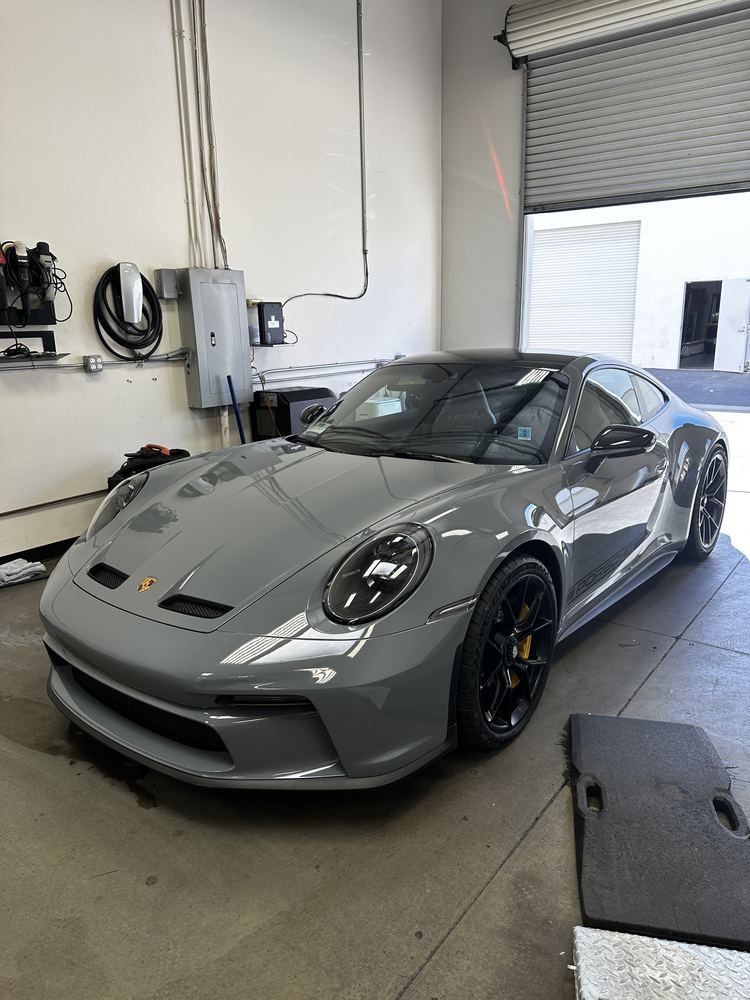
See your price in a minute
Build it in the quote builder, or call the shop Monday to Friday, 9 to 5.